AI & Font Design: The Revolution You Can’t Ignore
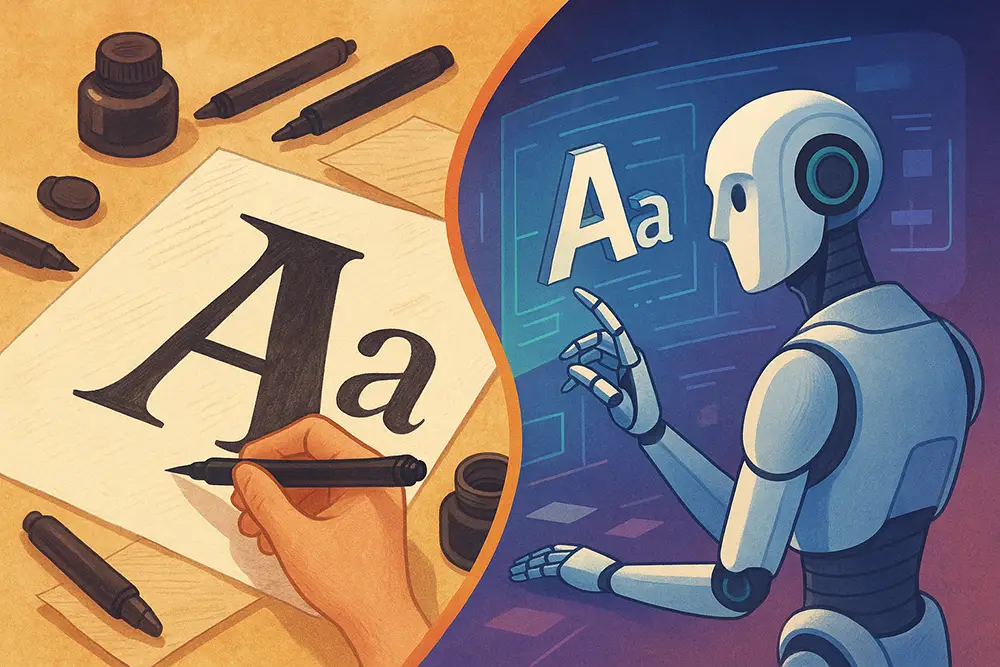
Font design, once ruled by pen strokes and Bézier curves, now faces a powerful collaborator—and competitor: Artificial Intelligence. In 2025, we’re seeing a creative revolution where algorithms generate, optimize, and even judge typography.
Table of Contents
- AI & Font Design: The Revolution You Can’t Ignore
- From Handcrafted to Machine-Assisted
- Benefits: Why Designers Embrace AI
- 1. Fast Prototyping, Smarter Iteration
- 2. Data-Driven Aesthetics
- 3. Accessibility Made Easier
- The Risk: Losing the Soul of Typography?
- 1. Generic Typography
- 2. Copyright Confusion
- 3. Skill Atrophy
- Human + AI = Futureproof
- Use AI for Exploration, Not Final Output
- Choose Fonts With a Story
- Inside Our Studio: Keeping It Human
- Tools You Should Try (or Avoid)
- Why This Revolution Matters
- Explore More Fonts That Break the Algorithm
But is this a creative blessing, or a shortcut that kills originality?
Let’s explore how AI is transforming the world of font design, what it means for creatives, and how you can stay ahead—without losing your human touch.
From Handcrafted to Machine-Assisted
AI tools like Fontjoy, Glyphr Studio AI, and even OpenAI’s DALL·E are changing the typography landscape. They can generate font previews, suggest pairings, and even construct full typefaces from scratch—based on prompts, sketches, or scanned references.
These tools aren’t just helping big agencies. Solo designers, freelancers, and even hobbyists now use AI to:
- Speed up concepting
- Refine legibility
- Customize fonts instantly
According to Adobe Firefly, generative tools cut type design prototyping time by over 60%.
Also Read: Explore Our Handwriting Font Collection

Benefits: Why Designers Embrace AI
1. Fast Prototyping, Smarter Iteration
Want a techno futuristic font in seconds? Just prompt it. AI assists with variations, spacing suggestions, and glyph extensions—all while you stay in creative control.
Recommended Font:
🔥 Byte Sharp – A sleek techno font that fits perfectly in AI-driven interfaces or sci-fi branding.

2. Data-Driven Aesthetics
AI tools can scan millions of design trends and recommend styles based on market relevance. Ideal for branding, advertising, and social media content that needs visual performance.
3. Accessibility Made Easier
AI helps optimize contrast, readability, and even cultural sensitivity in letterforms—making fonts inclusive and globally adaptable.
Also Read: Browse Fonts for Branding Projects
The Risk: Losing the Soul of Typography?
While automation has benefits, we can’t ignore the risks. Many designers worry that overreliance on AI can lead to:
1. Generic Typography
AI learns from what’s already out there. That means your designs might look… like everyone else’s.
Alternative Font Highlight:
🎯 Bombardies – A chaotic yet calculated brush font that breaks away from machine-like precision.

2. Copyright Confusion
If an AI studies thousands of fonts to generate one—who owns the result? You? The AI? Or the original creators?
Legal experts are still debating this, and designers must tread carefully, especially in commercial use.
3. Skill Atrophy
Kerning by feel. Balancing visual weight. Hand-drawing quirky alternates. These are skills AI can’t replicate—but designers might forget if they don’t keep practicing.
Also Read: Font Licensing Made Easy for Client Projects
Human + AI = Futureproof
The smartest creatives are not avoiding AI—they’re using it as a creative partner, not a crutch.
Here’s how to futureproof your design process:
Use AI for Exploration, Not Final Output
Let AI help with layout tests, visual brainstorming, and quick prototypes. Then, refine it manually to give it your voice.
Choose Fonts With a Story
AI fonts can look clean—but lack emotion. Fonts with backstories and unique characters will always feel more alive.
Featured Font:
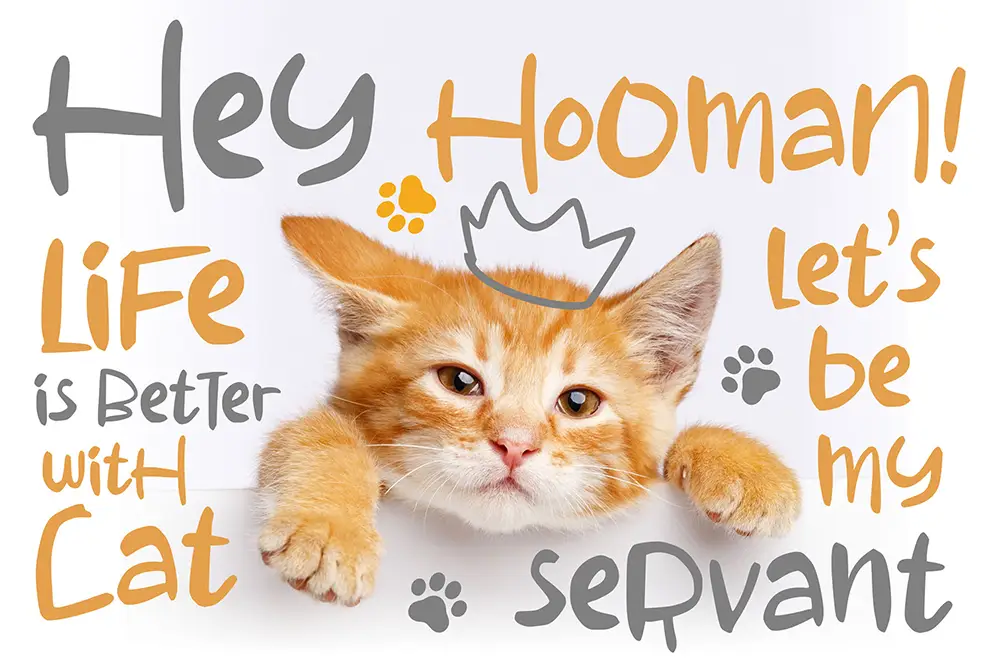
💡 Hello Arsenio – Quirky and spontaneous, made for personal brands or playful editorial.
Inside Our Studio: Keeping It Human
At Figuree Studio, we embrace tech—but we still believe in the power of ink-stained fingers and brush pen strokes.
Many of our best-selling fonts start with hand sketches using brush pens, flat-tip markers, or even DIY ink mixtures made with walnut extract and calligraphy dye. Some of our experiments include using handmade bamboo nibs and unconventional paper textures to add surprise elements to our glyphs.
The raw ideas are later digitized and cleaned up manually—not through full automation, but through a process that respects each curve’s personality.
This handcrafted energy is what sets fonts like Grock Marker or Kidos Marker apart in an AI-saturated world.
Also Read: How Freelancers Can Balance Love, Work, and Wellness Without Burning Out
Tools You Should Try (or Avoid)
| Tool | Use Case | AI-Powered |
|---|---|---|
| Fontjoy | Font pairing suggestions | ✅ |
| Glyphr Studio | Vector font editing | ✅ |
| MidJourney / DALL·E | Experimental letter visuals | ✅ |
| Figuree Studio Fonts | Handcrafted fonts with story | ❌ (human only!) |
Why This Revolution Matters
The truth is: AI isn’t the enemy. The real threat is creative laziness.
Designers who stay curious, refine their craft, and adopt smart tools will always thrive—even in an AI-saturated world.
So don’t just “use AI fonts.” Design with intention. Curate fonts with emotion. And always bring the one thing AI will never replicate: your creative soul.
Also Read: 10 Epic Sport and Racing Fonts to Supercharge Designs