As creative professionals, many of us start by offering design services to clients. It’s a natural entry point: you build a portfolio, attract clients, and get paid for your time and skills. However, at some point, many designers ask the same question—is this scalable? That question often leads to exploring digital products like fonts, templates, or online courses.
Table of Contents
- What Does “Scalable” Really Mean?
- The Limitations of Service-Based Design Work
- 1. Time = Money
- 2. Custom Work Doesn’t Compound
- 3. Feast and Famine Cycle
- The Benefits of Client-Based Design Work
- 1. Immediate Cash Flow
- 2. Skill Development and Reputation Building
- 3. Client Relationships = Future Opportunities
- Why Selling Digital Products Scales Better
- 1. One-Time Effort, Long-Term Gains
- 2. Passive Income Potential
- 3. No Client Headaches
- But Digital Products Aren’t Easy Money
- 1. Upfront Investment of Time
- 2. Requires Audience or Marketing Skills
- 3. Saturation and Competition
- Combining Both for a Hybrid Model
- 1. Use Services to Fund Product Development
- 2. Productize Your Services
- 3. Upsell Clients with Product Add-ons
- Which One Should You Choose?
- Final Thoughts: Play the Long Game
In this article, we’ll compare the scalability of client-based design work versus selling digital products, weighing the pros and cons of each path. If you’re looking to grow your income without burning out, this deep dive will help clarify which route aligns with your long-term goals.
What Does “Scalable” Really Mean?
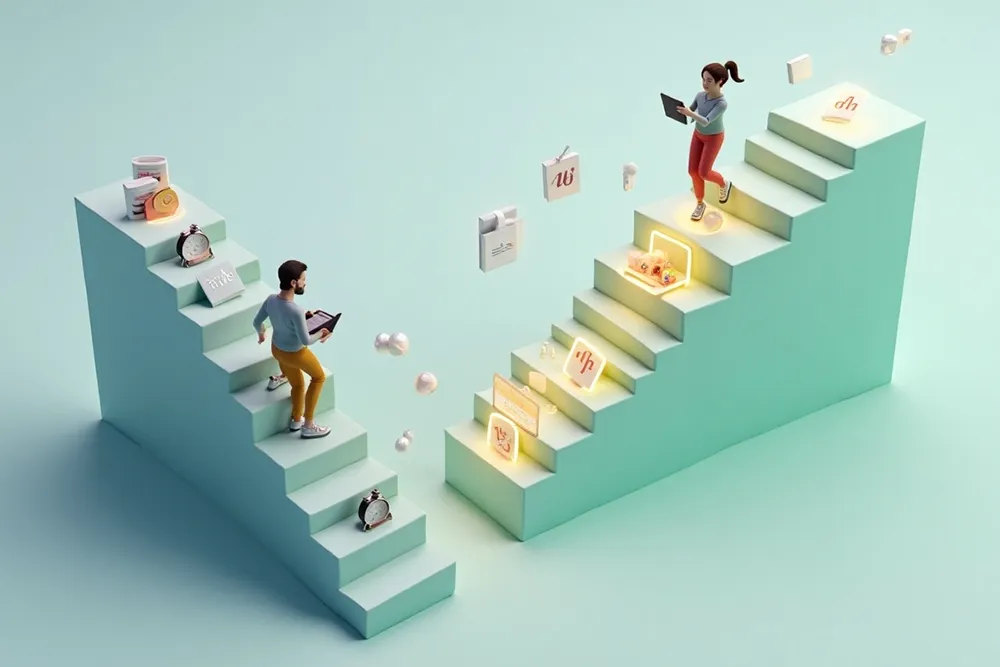
Before diving in, it’s important to define scalability. A scalable business model is one where your revenue can increase without a directly proportional increase in effort or resources. In other words, it’s about earning more without working more.
Let’s examine how that applies to both models: service-based design work and product-based sales.
The Limitations of Service-Based Design Work

Client-based design work is the bread and butter for many creatives. It’s straightforward—you offer a service, and someone pays you for it. Simple, right? But here’s the catch:
1. Time = Money
Your income is tied directly to your time. You may be able to charge more over time, but you’re still trading hours for dollars. This becomes a bottleneck as you try to grow.
Even if you hire a team, you still face capacity limits. Managing people adds overhead and complexity.
2. Custom Work Doesn’t Compound
With every new project, you start from scratch. You don’t benefit from compounding returns the way you would with digital products, which can generate passive income over time.
3. Feast and Famine Cycle
Many freelancers and agencies face the classic feast-and-famine cycle. You land a big project, feel flush with cash, then go weeks or months trying to land the next one.
Despite these limitations, client work isn’t all bad. It has benefits too.
The Benefits of Client-Based Design Work

1. Immediate Cash Flow
If you’re just starting out, service work offers a faster path to revenue. There’s less upfront investment, and you can often get paid before you deliver the work.
2. Skill Development and Reputation Building
Working with clients forces you to develop not just design skills, but also communication, problem-solving, and project management. These are invaluable if you later decide to build and sell products.
3. Client Relationships = Future Opportunities
Many successful product creators began by working with clients. Those relationships can evolve into affiliate partnerships, referrals, or even your first product customers.
Still, if your goal is to scale, the real leverage often comes from building digital products.
Why Selling Digital Products Scales Better
Unlike client services, digital products offer asymmetric rewards. You build something once and sell it many times. Here’s why that’s powerful:
1. One-Time Effort, Long-Term Gains
When you create a font, a design template, or a Notion planner, you only do the hard work once. After that, it can generate income repeatedly without additional effort.
At Figuree Studio, for example, our library of handcrafted display fonts is available 24/7 for purchase. Whether we’re awake or asleep, our products keep working for us.
2. Passive Income Potential
The dream of earning while you sleep is real—but only if you build systems that support it. With the right product, audience, and marketing, you can create a flywheel of income that grows over time.
Tip: Pairing great design with marketplaces like Creative Market, Gumroad, or Etsy can expose your product to global buyers.
3. No Client Headaches
With digital products, you don’t need to chase payments, deal with endless revisions, or explain your creative decisions. You have full creative control and zero micromanagement.
But Digital Products Aren’t Easy Money
That said, let’s not sugarcoat it. Selling digital products has its own challenges:
1. Upfront Investment of Time
Creating a great product takes time. You’ll need to do market research, design, test, and market it. There’s no immediate paycheck like with client work.
2. Requires Audience or Marketing Skills
To make real sales, you need traffic. This could come from SEO, email lists, social media, or paid ads. Many talented designers struggle here because they underestimate the marketing effort.
At Figuree Studio, we use content marketing—like this blog—to drive organic traffic and build trust over time. Explore our full blog here.
3. Saturation and Competition
The digital product space is crowded. To succeed, you must carve out a niche, deliver exceptional value, and develop a unique brand voice.
Combining Both for a Hybrid Model
The best path might not be either/or—it could be both.
1. Use Services to Fund Product Development
Use your client work to fund the creation of your first digital product. This way, you don’t stress over money while building your product library.
2. Productize Your Services
Turn your custom solutions into repeatable products. For example, if you design brand kits for startups, consider packaging a “startup branding template” and selling it.
3. Upsell Clients with Product Add-ons
Clients who love your work might also buy your templates, fonts, or courses. It’s a win-win.
Which One Should You Choose?
There’s no one-size-fits-all answer. Here’s a quick comparison table to help you decide:
| Criteria | Client Design Work | Selling Digital Products |
|---|---|---|
| Scalability | ❌ Limited | ✅ High |
| Income Speed | ✅ Fast | ❌ Slow at first |
| Upfront Investment | ✅ Low | ❌ High (time & effort) |
| Passive Income | ❌ None | ✅ Possible |
| Creative Freedom | ❌ Client-driven | ✅ Creator-driven |
| Risk Level | ✅ Lower | ❌ Higher initially |
Final Thoughts: Play the Long Game
If you love working with clients and thrive on collaboration, client-based work might be your calling. But if you’re looking for long-term freedom, passive income, and creative control, selling digital products is the more scalable path.
The best strategy? Start with services, then transition toward products. Build your audience, hone your niche, and invest in systems that pay you back over time.
For inspiration, check out how we at Figuree Studio have built a scalable business around display fonts. We’re committed to helping designers do more than trade time for money.
Want more tips on scaling your creative business? Subscribe to our newsletter and never miss an update.