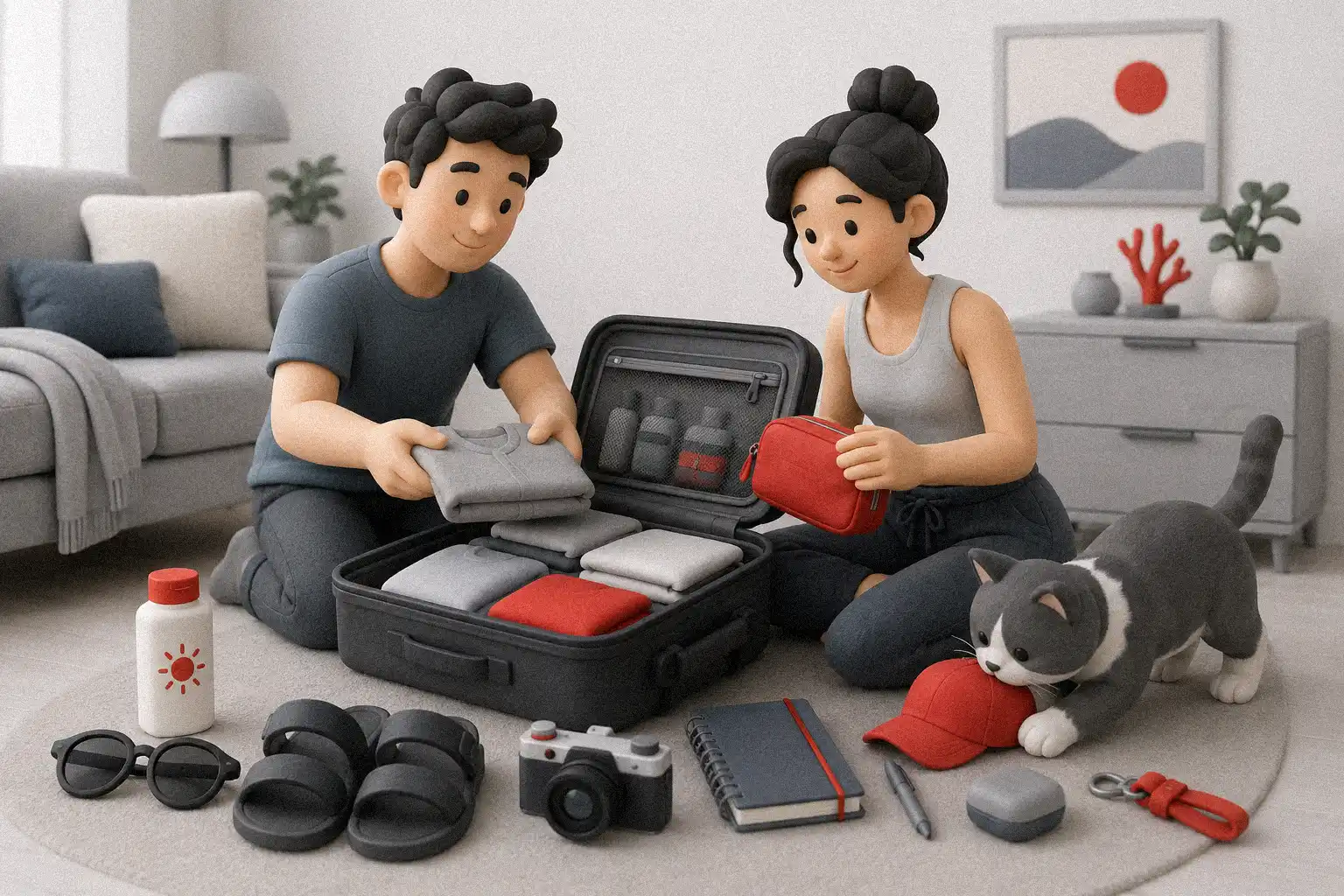
A summer holiday should feel light, warm, and easy to enjoy. It should not feel like another project with too many tabs open, too many last-minute decisions, and too many things to remember on the way to the airport.
Table of Contents
- Start with the Mood of the Trip
- Build a Checklist That Feels Useful, Not Heavy
- Pack Light, But Make Every Item Work Hard
- Why Summer Is the Best Season to Create Art
- Plan the Budget Before the Fun Starts
- Keep the Itinerary Flexible
- Think About Your Travel Visuals
- Fonts to Explore from Figuree Studio
- Moris Palm – Handwritten Summer Font
- Summer Sunshine – Fresh Display Font
- Graphiel – Modern Bold Script
- From Our Desk
- Organize Your Digital Life Before You Leave
- Catchy & Creative: 150 Summer Camp Name Ideas You’ll Love
- Prepare for the Return Too
- Final Summer Holiday Tips
But the most relaxed trips rarely happen by accident. They usually come from small preparations made before you leave. Not the stressful kind of preparation. Just enough planning to help you enjoy the moment when the sun is out, your bag is packed, and your mind is not busy wondering what you forgot.
These summer holiday tips are made for a calmer kind of travel. Whether you are going to the beach, visiting a new city, joining a summer camp, staying at a villa, or taking a short creative break, the goal is simple: prepare enough so you can relax more.
For designers, creators, and brand owners, summer can also become more than a vacation. It can be a visual reset. Warm colors, handwritten menus, beach signs, food packaging, travel posters, local typography, and relaxed lifestyle details can all become references for future creative work. If you want to explore that side deeper, Figuree Studio also has a related read on why summer is the best season to create art.
Start with the Mood of the Trip
Before booking everything, ask one simple question: what kind of holiday do you actually need?
Some people want adventure. Some want silence. Some want family time. Some want food, photos, long walks, and warm evenings in a new city. Some creatives simply need space to reset their mind after months of client work, content deadlines, or nonstop production.
This matters because the mood of your trip affects almost every practical decision. A beach holiday needs light clothing, sun care, sandals, swimwear, and a more flexible rhythm. A city holiday needs comfortable shoes, cleaner outfit combinations, and a smarter route plan. A creative retreat may need fewer activities and more empty space for thinking, sketching, reading, or simply doing nothing.
Do not plan a peaceful trip like an adventure trip. Do not plan an adventure trip like a luxury rest day. Start with the feeling first, then let the destination, packing list, budget, and schedule support that feeling.
Build a Checklist That Feels Useful, Not Heavy
A checklist sounds basic, but it can save you from small stress. You do not need a complicated travel planner or a perfect spreadsheet. A simple note on your phone is often enough, as long as it covers the essentials: travel documents, clothing, toiletries, health items, tech gear, budget, bookings, and small creative extras.
The point is not to control every detail of your holiday. The point is to stop important things from living rent-free in your head. When your passport, ID, ticket, hotel booking, emergency contact, charger, sunscreen, and personal medication are already listed, your brain has less work to do.
If you are traveling internationally, keep digital copies of important documents in secure cloud storage or your email. If you are traveling locally, save your booking details, transport schedule, and accommodation address offline. Signal can drop. Batteries can run low. A little preparation helps you avoid panic in small but annoying moments.
For health-related items, the CDC recommends that travelers bring a personal first-aid kit based on their health history and trip type, especially for managing minor illnesses, recurring health needs, and ongoing medication during travel. You can read more from the CDC travel health kit guide.
Pack Light, But Make Every Item Work Hard
Packing well is not about bringing everything. It is about bringing things that work in more than one situation.
Start with clothes that are easy to mix. Choose colors that can sit together naturally, so one shirt can work with more than one pair of shorts, pants, or skirt. Light fabrics like cotton and linen are great for warm days, while one thin outer layer can help for airports, evening walks, cold restaurants, or windy coastal areas.
A smart summer holiday packing strategy is to think in outfit systems instead of random items. For example, bring one comfortable travel outfit, two or three daily outfits, one nicer outfit for dinner, one swim or beach option, and one extra layer. This keeps your luggage lighter without making you feel underprepared.
Shoes deserve extra attention. A beautiful trip can feel painful if you bring the wrong pair. Choose walking shoes that you already trust, then add sandals or slip-ons if your destination needs them. New shoes may look good in photos, but they are not always kind to your feet.
Toiletries should stay simple. Bring travel-size essentials, sunscreen, lip balm, deodorant, skincare basics, and anything personal that may be hard to find at your destination. You can always buy common items later, but you should not gamble with products your skin or body really needs.
Plan the Budget Before the Fun Starts
A relaxed trip becomes less relaxed when money feels blurry. That does not mean you need to calculate every coffee or souvenir before you leave. It means you should know your comfort zone.
Break your budget into transport, accommodation, food, activities, shopping, emergency money, and small treats. Summer holidays often come with spontaneous spending: ice cream after a hot walk, an extra drink at sunset, a local market find, a beach chair, a small entrance ticket, or a last-minute ride when everyone is too tired to walk.
Those little moments are part of the trip. Give them room. A small “fun budget” helps you enjoy spontaneous spending without feeling guilty every time you tap your card or open your wallet.
If you travel with friends or family, talk about shared costs early. Accommodation, fuel, ride-hailing, food, parking, tickets, and tips can become awkward when nobody has discussed them. Money clarity protects the mood of the group, especially when the trip is meant to feel easy and relaxed.
Keep the Itinerary Flexible
One common summer holiday mistake is treating the itinerary like a performance. Too many destinations, too many photo stops, too many must-visit places, and not enough breathing room can make the trip feel more exhausting than refreshing.
A better rhythm is to choose one main activity per day, then keep the rest flexible. A beach walk and breakfast may be enough for the morning. A museum, market, or short tour can fill the afternoon. Dinner and a slow sunset can become the evening plan. You do not need to squeeze every possible attraction into one day just because it appears on a travel blog.
The best memories often happen between planned activities. A slow coffee. A quiet swim. A random street sign. A small shop with beautiful packaging. A menu with charming typography. A local color palette you would never have planned on a moodboard.
For creatives, this loose space matters. When you stop rushing, you notice more. You start seeing texture, shape, color, contrast, lettering, and layout in real life. Those details can become references for future posters, social media graphics, packaging concepts, or brand moodboards.
Think About Your Travel Visuals
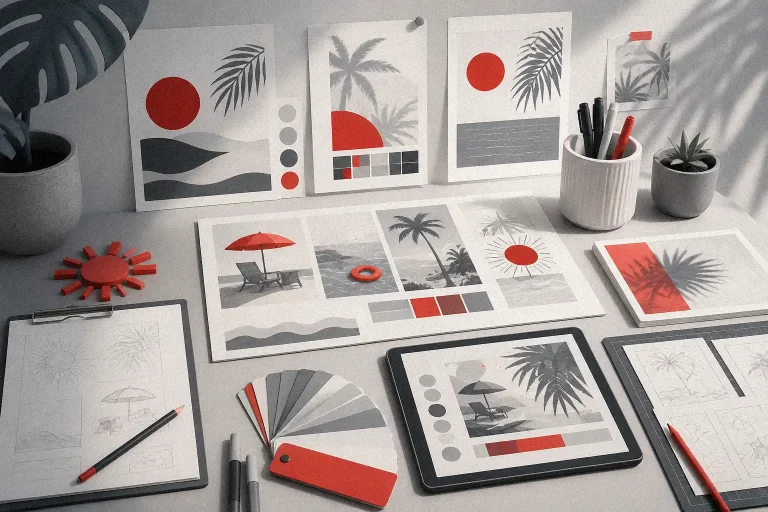
Summer is full of visual energy. Warm light, soft shadows, bright fruit, painted signs, handwritten menus, retro motel lettering, beach umbrellas, local packaging, boat graphics, and relaxed fashion details can all become part of your creative library.
If you are a designer, content creator, or small brand owner, use the trip as a gentle visual research moment. Take photos of textures, signs, color combinations, storefronts, packaging, and small design details that catch your eye. Do not only photograph tourist spots. Sometimes the strongest creative reference is a simple label, a wall color, a café menu, or a street poster with imperfect but memorable typography.
You can later turn these references into moodboards, seasonal campaigns, travel journals, quote graphics, posters, product mockups, or summer-themed digital products. For more ideas on combining visuals and typography, you can also read Figuree Studio’s guide on fonts and imagery in design.
This is also where typography becomes powerful. A handwritten font can make a travel journal feel personal. A playful display font can make a summer poster feel bright and fun. A retro script can bring nostalgic vacation energy. A clean sans serif can keep captions, guides, and practical information readable.
Fonts to Explore from Figuree Studio
If you are creating summer-themed visuals, the right font can shape the mood before people even read the words. A typeface can make a design feel breezy, nostalgic, playful, elegant, bold, or handmade.
For relaxed summer graphics, Moris Palm is a natural direction because it was made with a warm handwritten summer feel. It can work nicely for beach posters, travel quotes, social media graphics, lifestyle branding, or casual seasonal packaging.
Moris Palm – Handwritten Summer Font

For brighter, more playful visuals, Summer Sunshine brings a fresh display mood inspired by the warmth of summer. It fits cheerful holiday graphics, family-friendly posters, seasonal merchandise, stickers, thumbnails, or fun vacation content.
Summer Sunshine – Fresh Display Font

If your summer concept leans more nostalgic, Graphiel can help bring a vintage vacation mood. Use it for bold headlines, poster titles, apparel graphics, or designs that need a retro touch. Pair it with a cleaner sans serif when you need better readability for supporting text.
Graphiel – Modern Bold Script

The main trick is balance. Let expressive fonts carry the headline, short phrase, or emotional hook. Use cleaner fonts for longer descriptions, dates, locations, pricing, or practical details. That way, the design still feels fun without becoming hard to read.
From Our Desk
There is a line from Alain de Botton’s book The Art of Travel that feels right for this topic: “Journeys are the midwives of thought.”
That quote works because travel often gives ideas room to arrive. Not because we force them, but because the rhythm changes. We move through new streets, new colors, new signs, new weather, and new conversations. We step outside the usual screen, usual desk, and usual routine.
At Figuree Studio, we see summer as a season that can refresh both personal energy and visual taste. A short trip can remind you how much design exists outside design software. The curve of a café sign, the roughness of a beach poster, the color of a roadside fruit stall, the lettering on a souvenir shirt, or the spacing on a local menu can all teach something.
So prepare your trip well, but do not over-control it. Leave enough space to notice things. Sometimes the best creative direction starts when you are not actively looking for one.
Organize Your Digital Life Before You Leave
Before the trip, clean up the small digital things that can cause friction later. Download maps, save bookings offline, charge your devices, back up important files, and clear storage on your phone if you plan to take many photos or videos.
If you create content, prepare a few simple templates before the trip. You can make blank story layouts, quote templates, photo frames, or travel journal pages so you do not have to design everything from scratch while traveling. This is especially useful if you manage a small brand, run a design shop, sell digital products, or post regularly on social media.
At the same time, do not let content creation take over the holiday. Capture what feels meaningful. Post when it feels natural. Rest when you need to. A summer holiday does not need to become a full production to be valuable.
If you want seasonal captions or quote ideas for graphics, Figuree Studio also has a collection of radiant summer quotes that can help you build posters, social posts, printable artwork, or travel-inspired content.
Prepare for the Return Too
A good trip does not end when you check out of the hotel. The return matters too.
Before you leave, make your return easier. Finish urgent tasks, tidy your room a little, set an auto-reply if needed, and avoid scheduling heavy work immediately after the trip. Even a small buffer can help you unpack, rest, sort photos, and return to work with a clearer mind.
If you collected creative references during the trip, organize them while the memory is still fresh. Put photos into folders, save color ideas, write down font or layout observations, and build a quick moodboard. The goal is not to turn every holiday into work. The goal is to keep the inspiration available when you need it later.
This is where summer becomes more than a break. It becomes a source of creative material you can return to long after the trip is over.
Final Summer Holiday Tips
A good summer holiday is not about perfect planning. It is about thoughtful preparation.
Know the mood of your trip. Pack items that work hard. Set a clear budget. Keep your schedule flexible. Protect your comfort. Notice the visual details around you. Give yourself space to rest, explore, and come home with more than just photos.
These summer holiday tips can help your trip feel easy, relaxed, and memorable from start to finish.
When you are ready to turn that summer feeling into posters, social media graphics, packaging, travel journals, merch, or seasonal branding, explore the Figuree Studio font catalog. You can also grab creative resources from our Freebies page or review the Figuree Studio license page before using fonts for client, commercial, or product-based projects.