
In the rapidly evolving world of branding, the emergence of AI tools has stirred both excitement and concern. Will artificial intelligence replace creative minds? Or can it become a powerful co-creator? This article dives deep into the ongoing debate of AI vs human creativity, especially in the realm of branding, and how smart brands are adapting.
Table of Contents
- Why This Debate Matters
- AI in Branding: The Advantages
- 1. Speed and Scale
- 2. Data-Driven Design
- 3. Predictive Branding
- The Human Creative Edge
- 1. Storytelling that Connects
- 2. Originality and Risk-Taking
- 3. Brand Ethics and Identity
- The Sweet Spot: AI as a Creative Partner
- Hybrid Workflows: The New Normal
- Visual Branding: Fonts Still Need a Human Eye
- Example Font for a Bold, Modern Brand: Bolde
- For Elegant, Signature-Based Branding: Radditya Signature
- When to Use AI, When to Trust Your Gut
- Real Brands Blending AI & Human Creativity
- 1. Heinz
- 2. Starbucks
- Conclusion: A New Creative Renaissance
- Bonus: Handpicked Fonts to Fuel Your Creative Edge
- Further Reading & Resources
Why This Debate Matters
Branding is more than visuals—it’s storytelling, emotion, and identity. With AI tools like ChatGPT, Midjourney, and DALL·E now capable of generating logos, slogans, and even content strategies, some fear human creativity may be under threat. But is it really that simple?
Let’s look at the strengths and weaknesses of each side.
AI in Branding: The Advantages
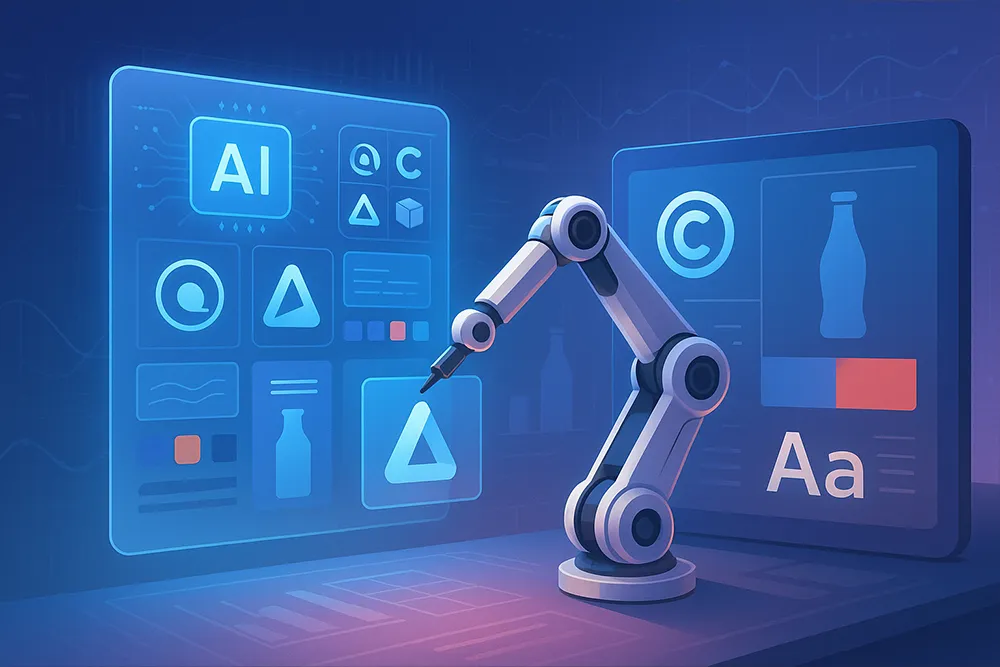
AI tools are incredibly efficient. They can process massive datasets, analyze trends, and generate design concepts in seconds. Here’s how branding with AI tools is transforming workflows:
1. Speed and Scale
AI helps brands create multiple versions of a logo, tagline, or campaign copy in minutes. Tools like Looka and LogoMakr are already enabling small businesses to get brand identities on a budget.
2. Data-Driven Design
AI analyzes consumer behavior to inform design. For instance, platforms like Canva’s Magic Design now offer personalized content suggestions based on industry data.
3. Predictive Branding
AI can forecast branding trends by crunching massive social data. This is helpful for designing brand visuals that stay ahead of the curve.
Example: Coca-Cola used AI to co-create “Masterpiece,” a campaign where classical art comes to life—showcasing the harmony between technology and storytelling.
The Human Creative Edge
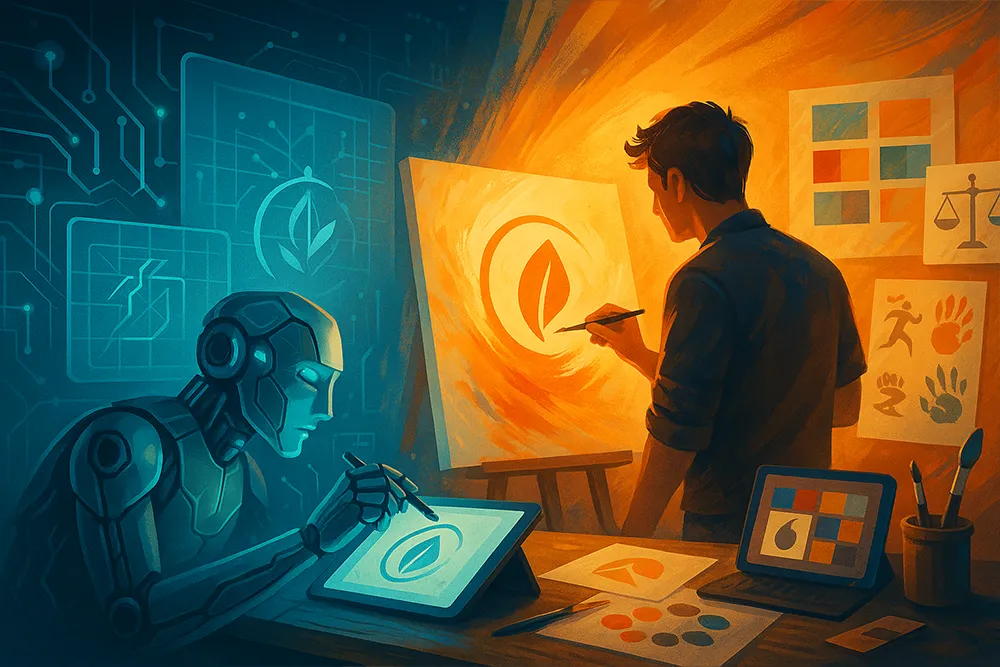
Despite its benefits, AI lacks empathy, intuition, and cultural nuance—all key ingredients of branding that resonates.
1. Storytelling that Connects
Humans tell stories with emotional depth. Think of Nike’s “Just Do It” campaign—it connects on a psychological level that AI cannot replicate without human direction.
2. Originality and Risk-Taking
Human creatives dare to break rules. AI tends to play it safe, optimizing for what already works. That means it’s more likely to remix than invent.
3. Brand Ethics and Identity
Humans make ethical branding decisions. AI doesn’t understand cultural sensitivities or long-term brand vision unless specifically trained.
The Sweet Spot: AI as a Creative Partner
The smartest brands are not choosing sides. Instead, they’re blending AI and human creativity to unlock new potential.
Hybrid Workflows: The New Normal
Creative agencies now use AI for ideation and humans for execution. For instance, Ogilvy uses AI to analyze ad performance but relies on human teams to craft the message.
Tip: Start with AI-generated drafts, but always refine with human judgment.
Visual Branding: Fonts Still Need a Human Eye
No matter how good AI becomes, typography remains an art. AI may generate font suggestions, but matching a font to brand tone still requires human taste.
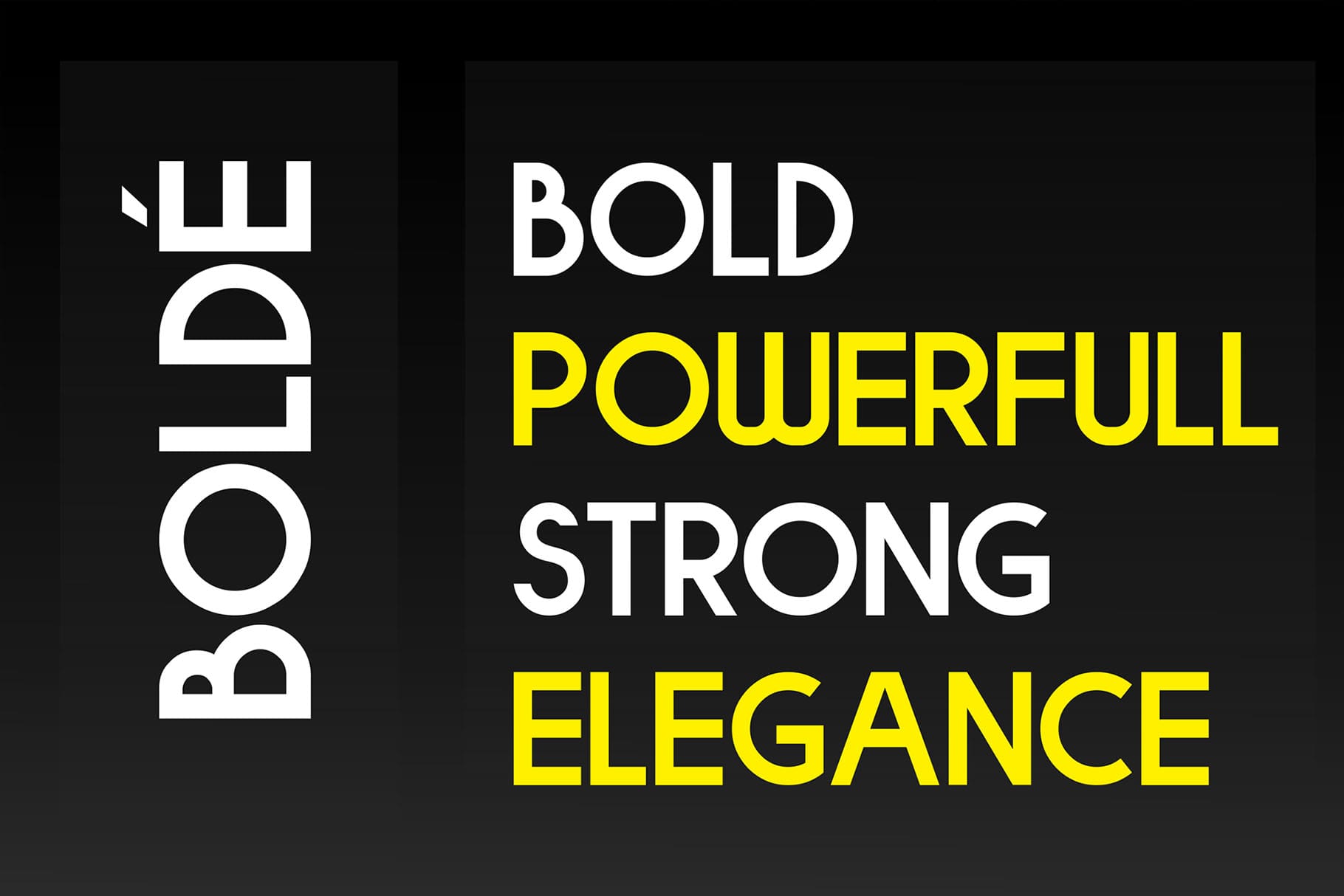
Example Font for a Bold, Modern Brand: Bolde
A sharp sans serif that feels futuristic—perfect for tech brands blending innovation and edge.
For Elegant, Signature-Based Branding: Radditya Signature
Great for personal branding or luxury products. The hand-touched look is uniquely human—AI can’t replicate its charm authentically.
Explore more curated fonts at Figuree Studio to elevate your brand’s visual identity.
When to Use AI, When to Trust Your Gut
Here’s a helpful breakdown for branding decisions:
| Branding Task | Best Done By | Why |
|---|---|---|
| Logo Variations | AI | Quick generation, testing |
| Final Logo Choice | Human | Emotional relevance |
| Tagline Brainstorm | AI + Human | AI for ideas, human to refine |
| Visual Style Guide | Human | Consistency and nuance |
| Market Analysis | AI | Data crunching |
| Brand Voice & Tone | Human | Cultural context |
Real Brands Blending AI & Human Creativity
1. Heinz
Ran an AI-generated art campaign using DALL·E—then refined it with human creatives. Result? Viral success.
2. Starbucks
Uses AI to predict drink trends but relies on human baristas and designers to craft in-store experience and marketing.
Conclusion: A New Creative Renaissance
In the battle of AI vs human creativity, there is no clear winner. The future of branding belongs to those who understand when to use AI for efficiency and when to lean on human emotion and originality.
Instead of fearing AI, creative professionals should embrace it as a tool—not a threat.
Your brand is your story. Make sure it’s written by humans, with the power of AI at your side.
Bonus: Handpicked Fonts to Fuel Your Creative Edge
| Font | Use Case | Link |
|---|---|---|
| Space Over | Bold editorial branding | Try Space Over |
| The Shutter Breathing | Classic luxury brands | See Shutter Breathing |
| Hello Mozza | Friendly, hand-lettered logos | Use Hello Mozza |