
Why You Struggle—And How to Build a Creative Routine That Works
If you’re a designer, freelancer, or brand owner, you already know the paradox: you must create to grow your business, yet your schedule and energy often get hijacked. Deadlines stretch, feedback loops drain momentum, and inspiration hits at the worst possible time. That’s exactly why you need to Build a Creative Routine—not a rigid prison, but a clear rhythm that protects your focus and helps you finish what matters.
Table of Contents
- Why You Struggle—And How to Build a Creative Routine That Works
- Step 1 — Build a Creative Routine with a 3-Block Day
- Step 2 — Build a Creative Routine Around Triggers (So You Start on Time)
- Step 3 — Build a Creative Routine Using Constraints (Because Freedom Loves Borders)
- Step 4 — Build a Creative Routine That Protects Energy (Recovery Is a Feature)
- Your Typeface Toolkit for a Routine That Inspires Output
- Step 5 — Build a Creative Routine with Weekly “Ship Windows”
- Step 6 — Build a Creative Routine That Survives Client Chaos
- Micro-Play Prompts to Keep Your Routine Fun
- From Our Desk: What We’ve Learned About Building a Routine
- Empowering Conclusion
- Keep Your Creative Momentum Alive
- Font Quick Links Mentioned
Here’s the good news: routines aren’t about willpower; they’re about design. When you Build a Creative Routine around cues, constraints, and recovery, your creativity shows up on time—even on sleepy Tuesdays.
Step 1 — Build a Creative Routine with a 3-Block Day
Design your day like a layout grid: clean, repeatable, and flexible.
Block A: Deep Craft (90–120 min).
Morning if possible. No meetings. Noise off. The only goal is output: keyframes, type studies, wireframes, drafts.
Block B: Business & Feedback (60–90 min).
Proposals, revisions, client calls, invoices. Keep it contained so it doesn’t flood your creative time.
Block C: Learning & Library (30–45 min).
Reference-hunting, type pairing tests, swipe-file organizing, or a single tutorial. Small inputs, big compounding.
This grid makes it far easier to Build a Creative Routine that withstands surprises. When interruptions happen, you slide blocks; you don’t scrap the whole day.
For a deeper understanding of how routines become automatic through cue–routine–reward loops, check out James Clear’s guide to building creative habits — it’s one of the most referenced frameworks in behavioral design today.
Also Read:
The Perfect Morning Ritual to Unlock Creative Focus
Unlock The Quiet Power of Consistency to Dominate Your Freelance Career
100 Monday Motivation Quotes That Instantly Boost Your Mood and Focus
Step 2 — Build a Creative Routine Around Triggers (So You Start on Time)
Starting is the hardest part. Use pre-commit triggers so your session begins without debate:
- Same place, same playlist, same drink. Keep them exclusive to Block A.
- Start line, not finish line. Promise “10 minutes of sketching,” not a finished poster.
- One tap to begin. Put your project file and assets in a single “Today” folder.
Stack these triggers and your brain will feel “pulled” into work—making it easier to Build a Creative Routine that runs itself.
Step 3 — Build a Creative Routine Using Constraints (Because Freedom Loves Borders)
Counterintuitively, constraints multiply ideas:
- One story, one visual promise. What emotion should the viewer feel in 3 seconds?
- Two-tool limit. E.g., “Only Pen tool + Warp envelope” or “Only Procreate brush pack X.”
- Timebox. 25 minutes for roughs; 25 for refinement; 10 for exporting.
You’ll notice quality rises when your brain isn’t drowning in options.
Step 4 — Build a Creative Routine That Protects Energy (Recovery Is a Feature)
Creative stamina isn’t just sleep (though it matters). It’s micro-recovery:
- Hard stop ritual. End Block A by naming tomorrow’s first action in your notes.
- Switching walk. 5–10 minutes between blocks to reset attention.
- Light admin after heavy craft. Don’t schedule intense feedback right after concept exploration.
When you Build a Creative Routine that respects energy cycles, your “tired version” still ships.
Your Typeface Toolkit for a Routine That Inspires Output
Visual prompts shape how fast you enter flow. Rotate five house fonts across weekly sprints to set tone and momentum:
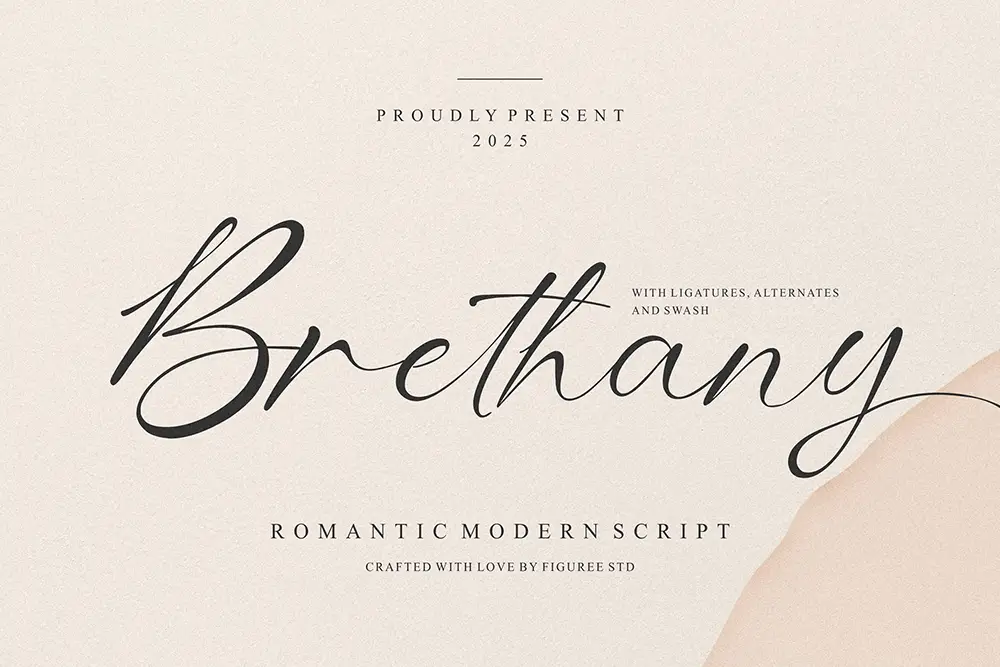
Brethany – Romantic Modern Script
When you need warmth and human touch for brand marks, headlines, or packaging studies, Brethany keeps the work emotional and elegant. Try it for moodboards or hero lines in concept decks.
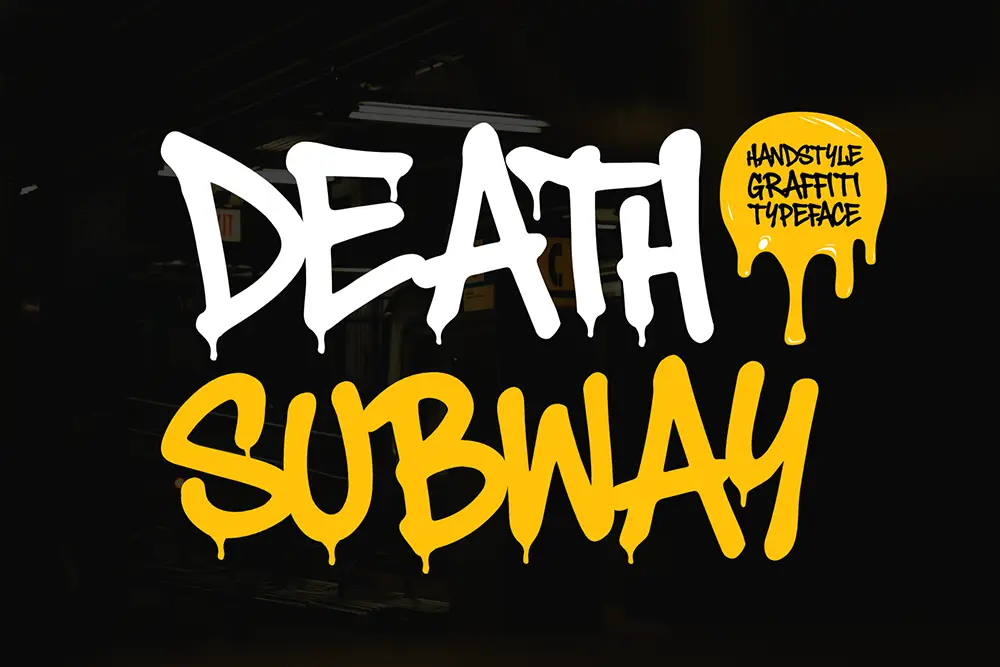
Death Subway – Handstyle Graffiti
For raw energy and rebellious textures, Death Subway injects motion into poster experiments and social thumbnails. Great for “messy first drafts” that explore attitude.
Retro Young – Vintage Bold Script
When you want retro punch with modern polish, Retro Young delivers confident curves for display titles and event branding explorations.

Graphiel – Modern Bold Script
Need power and pace? Graphiel commands attention in hero frames, ad concepts, and merch mockups—perfect for decisive, high-impact comps.

Technos – Futuristic Techno Font
Push into product UI, esports, and sci-fi brand territory with Technos. Use it to test future-facing logo directions or as an anchor for motion type.

Want to test without friction? Explore our Freebies to practice routinely without budget anxiety.
Scaling up or pitching to bigger clients? Our License page includes a special discount on Extended License for campaign-level usage and a clear path to Corporate tiers.
Step 5 — Build a Creative Routine with Weekly “Ship Windows”
Consistency isn’t daily perfection; it’s weekly completion. Give your routine a heartbeat:
- Monday: concept sketches or word-lists
- Tuesday: first rough + type trials
- Wednesday: refinement + 2 alternatives
- Thursday: feedback + final pass
- Friday: ship (publish, present, or file handoff)
Name the output each Friday. Your brain will learn that effort turns into evidence. That belief is rocket fuel the next week.
Also Read:
Consistency Over Motivation: The Real Secret to Long-Term Creative Growth
Fonts and Imagery in Design: Your Ultimate Visual Storytelling Guide.
Step 6 — Build a Creative Routine That Survives Client Chaos
Real life equals shifting briefs, urgent fixes, and long feedback threads. Protect Block A with these rules:
- Inbox after output. Email belongs in Block B. Your best work deserves first energy.
- Two-list method. “Today Output” (max 3 items) and “Everything Else.” Move, don’t merge.
- Version fast. Save v1 early; duplicate to v2/v3 for explorations. Options calm anxious stakeholders.
- License early. When comps start looking real, check that your chosen fonts’ license covers web/app/merch. Start at License to avoid surprises and use the Extended License discount when usage expands.
Micro-Play Prompts to Keep Your Routine Fun
When you feel stuck, small games restart flow:
- Typography Speed-Run (15 min): Pair Brethany with a geometric sans (e.g., Midnight Workers) for a “soft vs. sharp” brand hero.
- Attitude Poster (20 min): Set a lyric or punchy slogan in Death Subway, then add a minimalist underline in Technos as contrast.
- Nostalgia Ticket (25 min): Create a faux concert ticket with Retro Young and stamp a bold date using Graphiel.
Also Read:
Proven Font Combos to Make Your Packaging Design Pop
The Truth About Pricing: Transparent Strategies for Freelance Designers.
From Our Desk: What We’ve Learned About Building a Routine
As a studio, we’ve learned that routine is less about clock-watching and more about identity. When you Build a Creative Routine, you’re telling yourself, “I am the kind of creator who shows up.” That identity makes decisions easier: you choose the draft over doomscrolling, the refinement over perfectionism, the handoff over hiding.
A quote we keep near our monitors:
“Creativity is a habit, and the best creativity is the result of good work habits.” — Twyla Tharp
Another anchor for hard days:
“It’s easier to act your way into a new way of thinking than to think your way into a new way of acting.” — Millard Fuller
Both remind us that action drives belief. Ship something small today, and tomorrow’s session starts lighter.
(If you enjoy behavioral design ideas, a practical overview of the cue-routine-reward loop by James Clear is a helpful read and aligns with how we structure creative sprints.)
Empowering Conclusion
When you Build a Creative Routine that honors your energy, focuses your blocks, and limits your choices, you remove friction and let your best ideas surface—especially when you’re tired. Don’t chase perfect days. Craft repeatable ones. Week by week, drafts turn into deliverables, and deliverables turn into a body of work you’re proud to show.
Don’t let hidden bottlenecks stall your growth. Design with clarity, grow with confidence.
Keep Your Creative Momentum Alive
Browse our full font catalog and rotate type “themes” to spark momentum.
Subscribe to our newsletter on the homepage for studio tips, free prompts, and drops.
Grab some free fonts to keep your daily reps fun and budget-friendly.
Scaling a campaign? Lock secure usage with our Extended License discount on the License page.
Font Quick Links Mentioned
- Brethany – Romantic Modern Script
- Death Subway – Handstyle Graffiti
- Retro Young – Vintage Bold Script
- Graphiel – Modern Bold Script
- Technos – Futuristic Techno