Introduction: The Productivity Paradox in Design
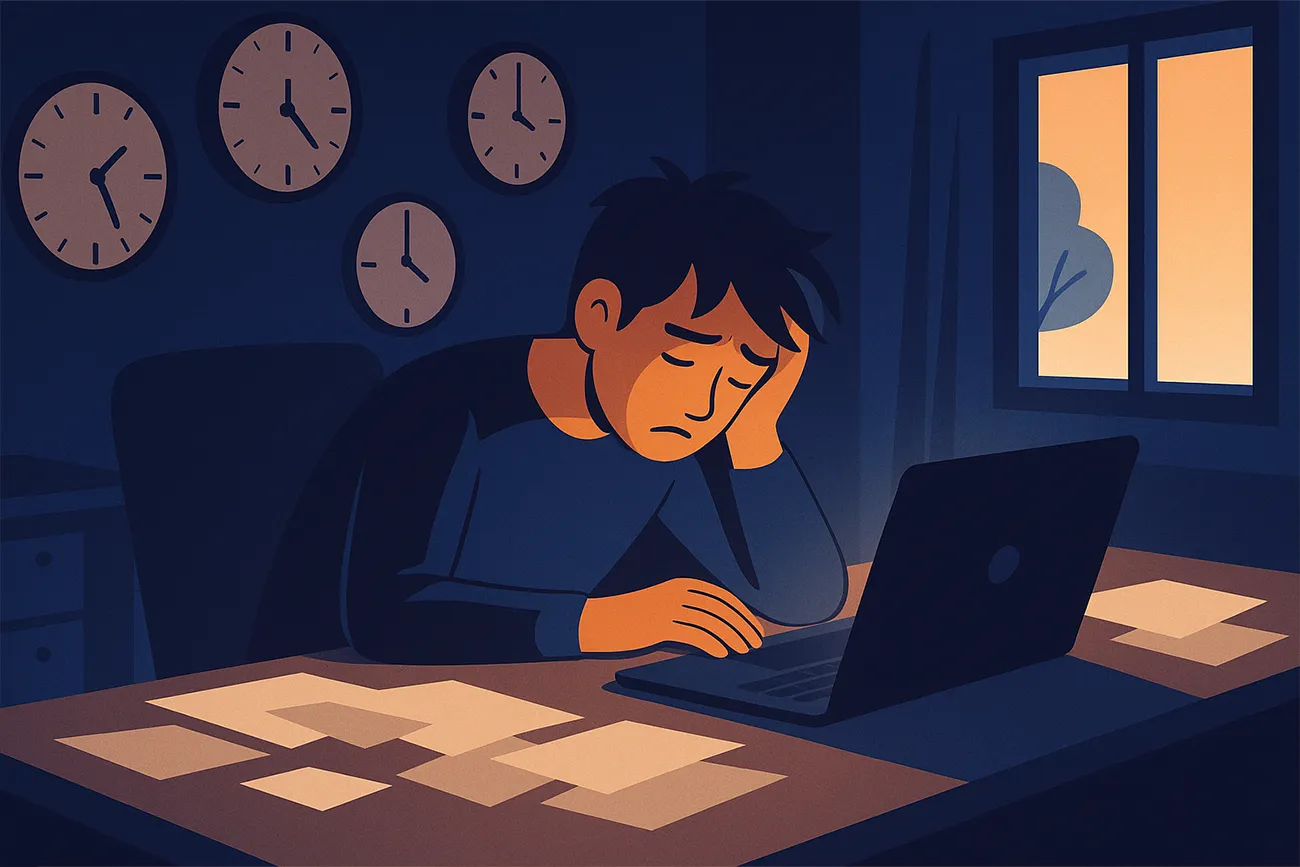
As designers, we often equate hard work with long hours, late nights, and endless tweaking. But what if the key to designing more impactful work wasn’t about doing more, but doing less—with intention?
Table of Contents
- Introduction: The Productivity Paradox in Design
- 1. Why “More Hours” Doesn’t Mean Better Design
- 2. Simplify Your Tools and Workflow
- 3. Embrace Creative Constraints
- 4. Automate Repetitive Tasks
- 5. Focus on Output, Not Activity
- 6. Build a Creative System, Not a Routine
- 7. Rest Is a Creative Tool
- 8. Create a “Reuse Bank” of Assets
- 9. Say No More Often
- Conclusion: Designing a Life You Love
- Explore More Resources:
Welcome to the art of working less but creating more. In this post, we’ll explore how to design smarter, not harder—leveraging strategies, tools, and mindset shifts that free up your time and supercharge your creativity.
Let’s unlock creative freedom, reduce burnout, and get better results—all while working fewer hours.
1. Why “More Hours” Doesn’t Mean Better Design
It’s tempting to believe that working overtime equals higher output. But research and real-world experience say otherwise.
A study from Stanford University shows that productivity per hour declines sharply after 50 hours per week. Creativity needs breathing room, and overworking actually stifles innovation.
Design is not about quantity; it’s about clarity, emotion, and impact. To achieve that, your brain needs rest and room to make connections.
Tip: Try tracking how much time you spend on each project and compare it to the quality of the final product. Chances are, your best work wasn’t the one that took the longest.
2. Simplify Your Tools and Workflow
Using fewer but more efficient tools helps reduce decision fatigue and speeds up your creative process.
Instead of juggling dozens of plugins, try narrowing down to a few essentials:
- Figma for UI/UX
- Procreate or Affinity Designer for illustration
- Font resources like Figuree Studio’s curated catalog for quick inspiration and premium typography
Need a bold display font? Use Verse Robo. Want something elegant and classic? Rughton fits beautifully.
Pro Tip: Save a personal toolkit of 5–7 go-to fonts, brushes, and templates. This saves you hours per project and keeps your aesthetic consistent.
3. Embrace Creative Constraints
Constraints may feel limiting, but they’re often the spark behind your best ideas.
When you’re designing with limited time, color palettes, or font choices, you’re forced to focus on what truly matters. This triggers lateral thinking and often leads to more original, thoughtful designs.
Try giving yourself design sprints:
- 30 minutes to sketch ideas
- 2 colors only
- 1 typeface challenge (like designing an entire brand identity using just Bolde, a clean sans serif)
Less choice = more clarity.
4. Automate Repetitive Tasks
Time is a designer’s most valuable currency. Automate anything that doesn’t require creative judgment.
Automation ideas:
- Use Notion or Trello templates for onboarding new design clients
- Batch-process images in Photoshop
- Create reusable Figma or Canva templates for recurring tasks
- Set up Zapier to auto-send client proofs or feedback requests
Helpful Resource:
Zapier’s guide to automating creative workflows
By automating, you reduce your mental load and free up brainpower for what really matters: crafting meaningful visuals.
5. Focus on Output, Not Activity
Instead of measuring your day by how busy you were, measure it by what you finished.
Ask yourself:
- Did I ship one project today?
- Did I make one piece of portfolio-worthy content?
- Did I help one client feel proud of their brand?
When you set micro-goals like “publish one Behance project” or “design three social posts using Zembrush for headlines,” you start accumulating visible results—without the need to grind endlessly.
6. Build a Creative System, Not a Routine
While routines can be useful, they can also become rigid. Systems are better.
A creative system allows for flexibility while maintaining direction. Here’s a simple framework:
- Input: Inspiration from Pinterest, Behance, and design blogs
- Creation: Using pre-built assets (like Figuree Studio fonts) to reduce starting friction
- Reflection: Weekly reviews of what worked, what didn’t
- Output: Consistent publishing (Instagram posts, Dribbble updates, client deliveries)
This system helps you move with agility while still ensuring consistent, quality results.
7. Rest Is a Creative Tool
It might sound counterintuitive, but rest is essential to creativity.
Ideas need incubation. Stepping away from a project lets your subconscious work through visual problems. Have you ever solved a design block while taking a shower or walk? That’s your brain working in rest mode.
Try this:
- Design in 90-minute blocks, then take a full 20-minute break
- Have one full “no design” day per week
- Protect your sleep—it’s your brain’s nightly recharge
8. Create a “Reuse Bank” of Assets
Creating more doesn’t mean starting from scratch each time. Build an asset library:
- Typography pairings that work well
- Icon packs
- Custom font folders sorted by use case (e.g., “Tech UI,” “Luxury Brand,” “Modern Logo”)
Having assets ready lets you compose designs faster and with more consistency.
If you’re always searching for the right font, create a “Favorites” collection. Include workhorses like Roads Block for bold titles or Break Friday for editorial elegance.
9. Say No More Often
The more projects you take on, the less attention each one gets.
To truly work less but create more, learn to say no—especially to work that doesn’t align with your style, values, or creative direction.
When you say no to low-value work, you say yes to:
- Passion projects
- Higher-paying clients
- Deep creative flow
Don’t fear missing out. Instead, focus on leveling up by doing less, better.
Conclusion: Designing a Life You Love
The goal isn’t just to design beautiful things—it’s to build a life that feels creative, fulfilling, and free from burnout.
By working less and creating more, you reclaim your energy, sharpen your vision, and deliver designs that truly resonate.
So the next time you’re tempted to push another late night, ask yourself: “Am I designing from inspiration or exhaustion?”
Choose smarter. Design better.